

Dry needling vs acupuncture — what's the difference?
/I’m often asked by patients about the difference between dry needling vs acupuncture — and it’s a great question. Both use fine needles, but the approaches, goals and scope of treatment are quite different. Understanding the distinction can help you choose the right treatment for your body, your symptoms and your overall health.
As a dual-qualified acupuncturist and physiotherapist, with training in dry needling and a Master’s in Acupuncture, I bring both perspectives to the treatment table. So, I’d like to offer a clear, unbiased explanation of the differences and when each might be helpful.
In simple terms:
Dry needling = used by allied health professionals such as physiotherapists to treat pain conditions only.
Acupuncture = a holistic treatment approach for the whole body, including body, mind and spirit, which qualified acupuncturists use to support a wide range of health conditions.
Both methods have evidence of effectiveness, but acupuncture is generally supported for a broader spectrum of conditions beyond just musculoskeletal pain.
In this article, I’ll explain dry needling vs acupuncture, how each technique works, what the evidence says and why it’s important to know exactly what type of treatment you’re receiving. By the end, you’ll have a clearer understanding of which approach may be right for you — and how our Adelaide holistic health clinic can help you achieve the best results safely and effectively.
What is dry needling?
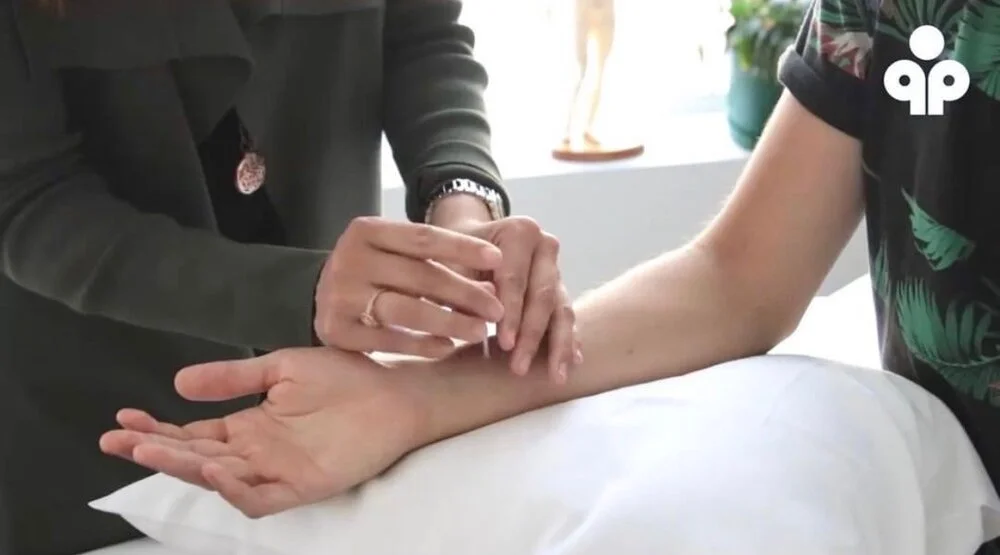
Sometimes called myofascial trigger point needling, dry needling uses a fine needle (the same type used in acupuncture) to target “knots” or tight bands in muscles, known as trigger points.
These trigger points can cause pain or restricted movement, commonly in areas like the neck, shoulders, back or knees.
Dry needling was first discussed by Janet Travell in her 1940s book, Myofascial Pain and Dysfunction: The Trigger Point Manual. The technique is usually performed by physiotherapists, chiropractors, or massage therapists who have completed a short training course.
What does dry needling help with?
Localised musculoskeletal pain, for example knee pain, shoulder pain, low back pain, neck pain
Muscle tightness or tension
Short-term pain relief (studies show benefits often last under six months)
Tip: Dry needling may help with targeting pain, but it is not the same as traditional acupuncture.
Does dry needling work? What the evidence says:
The research on dry needling has grown a lot in the last couple of decades. Current evidence suggests that dry needling can elicit significant pain-related biomarker levels in human and animal studies, leading to the association with its potential clinical effectiveness for pain-related conditions (Rabanal-Rodríguez et al, 2025).
Studies have suggested dry needling can help with general pain and muscle stiffness (Kużdżał et al, 2025). Clinical effectiveness may vary; however, a review in 2023 suggests that dry needling seems to be superior to sham or no intervention and then also effective compared to other interventions for pain relief short term (less than six months) (Chys et al, 2023).
While results are promising, larger, high-quality studies are needed, and overall, the research is considered inconclusive. Dry needling can be effective as part of a broader treatment plan, especially when combined with exercise or manual therapy.

What is acupuncture?
Traditional Chinese Medicine or acupuncture has been practised for more than 2,000 years, making it one of the oldest health practices recorded.
It involves inserting fine needles into specific points along the body’s meridians to restore the natural flow of energy, or qi, and help stop any unwanted blockages along the body’s pathways, known as ‘meridians’. These blockages usually manifest as potential symptoms or conditions.
Overall, acupuncture aims to restore the natural flow of balance to the body, mind and spirit.
Acupuncture can be performed by fully trained, registered acupuncturists — like me, qualified Adelaide acupuncturist Dr Karen Chan. I combine my extensive physiotherapy background with advanced fertility and health acupuncture qualifications to treat a wide range of conditions beyond just pain.
What may acupuncture help with?
Chronic pain (for example, low back pain, neck pain, shoulder pain)
Headaches and migraines
Digestive or hormonal issues
Emotional stress, anxiety, or insomnia
Fertility support, pre- and post-natal care
Enhancing overall wellbeing and balance
Tip: Acupuncture is more than just pain relief. It is aimed to support physical, emotional and reproductive health, and improve overall wellbeing. Always choose a fully registered acupuncturist for safe, personalised care.
Does acupuncture work? What the evidence says:
In 2017, McDonald and Janz’s standout review The Acupuncture Evidence Project (2017) reviewed the research on acupuncture for a range of conditions. Since then, Hempen and Hummelsberger (2025) extended this review of acupuncture effectiveness in any medical conditions 2017-2022. In this latest review, they found that there was greater high quality studies and even greater strong evidence for clinical effectiveness in more conditions.
They found evidence for positive effect (high-quality studies with reviews, consistently showing statistically positive effects) for:
Chronic pain
Post operative nausea
Low back pain
Knee osteoarthritis
Migraine prophylaxis/ prevention
Tension type headache
Cancer related fatigue
Menopause
Female infertility (additional to medical reproductive treatment)
Chronic prostatitis
There is evidence of potential moderate effect (moderate to high quality, but indefinite for firm conclusions) for an extensive range of conditions including general anesthesia, immediate pain relief, myofascial pain, diabetic neuropathy, obesity, osteoporosis, weight loss, depression, insomnia, cardiovascular disease, hypertension, fibromyalgia, lateral epicondylitis (tennis elbow), rheumatoid arthritis, sciatica, asthma, uremic pruritus, chronic kidney disease, urinary incontinence, erectile dysfunction, urinary tract infections, allergic rhinitis, rhinosinusitis, chronic spinal pain, bell’s palsy, Alzheimer’s disease, post- stroke, diarrhea predominant irritable bowel syndrome (IBS-D), functional gastrointestinal disorder, complementary treatment for oncology (cancer, radiotherapy, breast cancer therapy related syndromes, pain, hot flushes, peripheral neuropathy, gynaecology (breech presentation, chronic pelvic pain, dysmenorrhea, endometriosis, labour pain, polycystic ovarian syndrome- PCOS, premenstrual syndrome and in vitro fertilisation- IVF) and dry eye.
Some other conditions (eg eczema, raynaud’s syndrome, gout, schizophrenia, autism, parkinson’s) currently show low or unclear efficacy and require higher-quality research to clarify acupuncture’s benefits.
Like dry needling, the evidence base for acupuncture is growing, with more studies continuing to support its effectiveness for specific conditions.
Is dry needling acupuncture?
Dry needling can be considered a small fraction of acupuncture. In Traditional Chinese Medicine, trigger points are often referred to as Ashi points — palpable, tender areas that indicate imbalance or blockage. I often tell patients that true traditional acupuncture is essentially dry needling plus so much more.
The key difference between dry needling vs acupuncture: dry needling is usually used for pain conditions only, whilst traditional acupuncture can address a wide range of health concerns — physical, emotional and systemic.
It’s important to know what treatment you’re receiving. Some therapists may claim to perform acupuncture or “Western acupuncture” but are most likely doing dry needling.
Don’t get me wrong — dry needling can still be very effective, especially alongside manual therapy and prescribed exercises. But if your goal is a holistic acupuncture approach, make sure you’re seeing a registered acupuncturist. Many patients who feel acupuncture “doesn’t work” have actually only experienced dry needling.
Why see a registered acupuncturist?
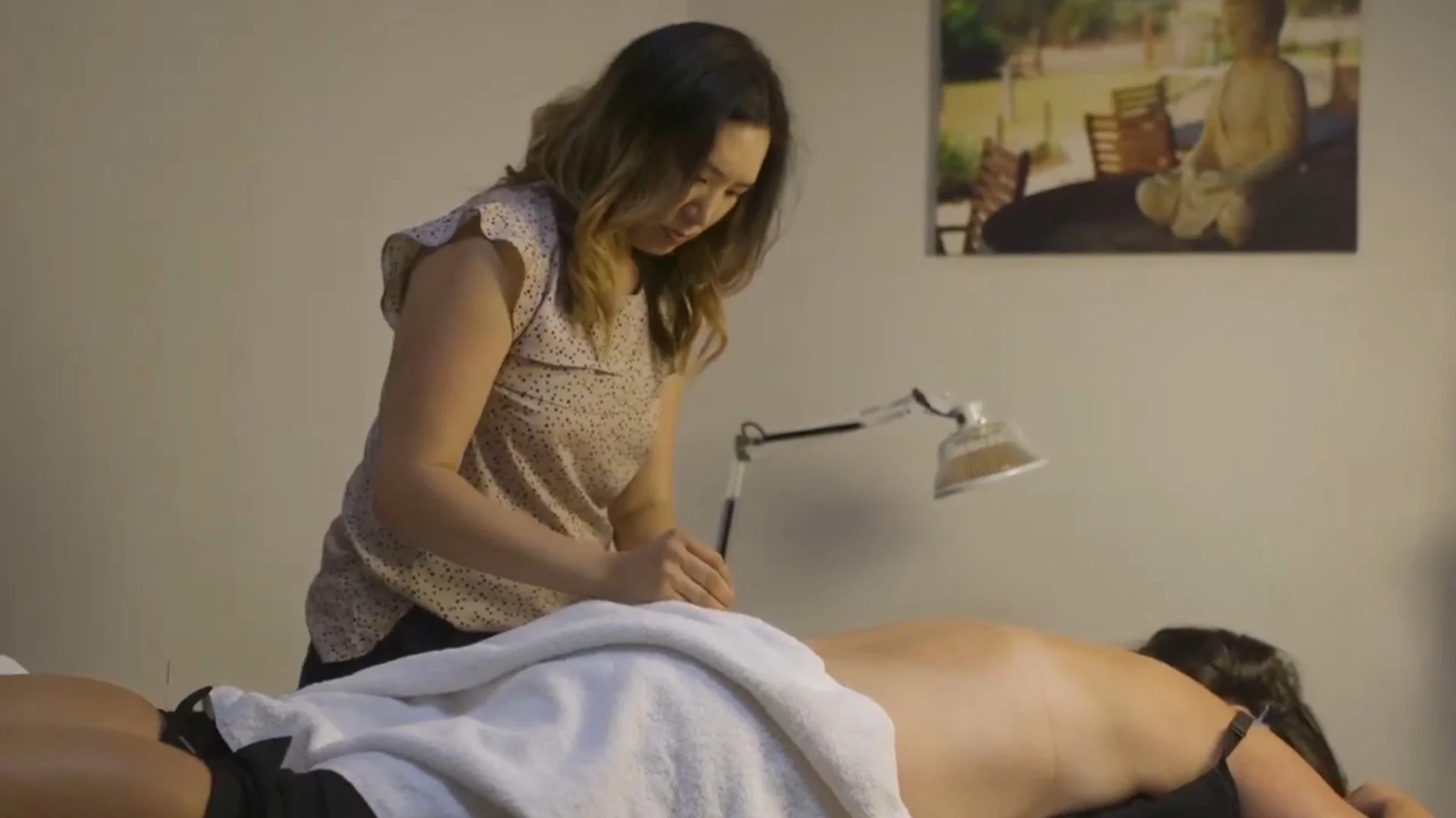
Registered acupuncturists have extensive training and expertise that goes far beyond the short courses required for dry needling.
For context:
Dry needling: 16+ hours of training for allied health practitioners. There currently is no regulation enforced for dry needling review or practice once a course has been completed however, is recommended.
Acupuncture: Minimum three-year bachelor’s or three-year postgraduate master’s degree in acupuncture. The title of acupuncturist is strictly for those registered with the Chinese Medicine Board of Australia (CMBA) who have completed this intense training.
Physiotherapists: Can complete post-grad certificates in Western acupuncture in Australia; however, this does not make them qualified acupuncturists, as they have not completed the intensive training mentioned above to qualify with the CMBA. There also is currently no continued regulation of practice or review.
Other benefits of seeing a registered acupuncturist include:
A more holistic approach, aiming to balance body, mind and spirit, treating not just symptoms but also the underlying perceived cause of the problem.
Broader scope of care for many conditions, whereas dry needling is usually limited to pain.
Stricter safety and infection control standards.
Greater variety of techniques to tailor treatments for your needs.
In a nutshell, the difference between acupuncture vs dry needling is:
Dry needling is an adjunct treatment, primarily for pain, delivered by qualified allied health professionals such as physiotherapists.
Acupuncture is a holistic treatment for the whole body, addressing physical, emotional, and systemic concerns. It is evidence-based and used for many conditions, not just pain. Acupuncturists are registered professionals with a minimum Bachelor’s degree in training and are regulated by the Chinese Board of Medicine (CMBA).
Both have some evidence of effectiveness, but acupuncture has stronger evidence for a wider range of conditions.
Knowing the difference between dry needling vs acupuncture matters — don’t be afraid to ask your therapist.
At our Adelaide clinic, you can access highly skilled physiotherapists for dry needling or a dual-qualified physiotherapist-acupuncturist (one of only a few in the state) for a more comprehensive, holistic approach.
Which treatment is right for you — dry needling vs acupuncture
Dry needling is often best suited for acute or localised muscle pain, helping to release tension and improve movement.
Acupuncture, on the other hand, offers a holistic approach that can support a broader range of concerns, including pain, stress, digestive issues, hormonal imbalances and overall wellbeing.
Not sure which approach will suit you? As a dual-qualified physiotherapist-acupuncturist, I can assess your needs and create a personalised treatment plan tailored to your body and goals.
Book a session at our Adelaide clinic to explore the treatment that’s right for you and take the first step towards feeling your best.

About the author
Dr Karen Chan (Acu) is the chief Acupuncturist, Physiotherapist and Director of Prospect Physiotherapy and Health Plus Clinic in Adelaide. She is also an associate lecturer at Endeavour College of Natural Health in Acupuncture and has a keen interest in fertility and stress management.
References and commended resources:
Chys, M., De Meulemeester, K., De Greef, I., Murillo, C., Kindt, W., Kouzouz, Y., Lescroart, B., & Cagnie, B. (2023). Clinical Effectiveness of Dry Needling in Patients with Musculoskeletal Pain-An Umbrella Review. Journal of clinical medicine, 12(3), 1205. https://doi.org/10.3390/jcm12031205
He C and Ma H (2017). Effectiveness of trigger point dry needling for plantar heel pain: a meta-analysis of seven randomized controlled trials. J Pain Res 10: 1933-1942.
Hempen, M., & Hummelsberger, J. (2025). The state of evidence in acupuncture: A review of metaanalyses and systematic reviews of acupuncture evidence (update 2017-2022). Complementary therapies in medicine, 89, 103149. https://doi.org/10.1016/j.ctim.2025.103149
Hu HT, Gao H, Ma RJ, Zhao XF, Tian HF and Li L (2018). Is dry needling effective for low back pain. A systematic review and PRISMA- compliant-meta-analysis. Medicine 97 (26): e11225
Koppleman, M (2018). Acupuncture. An Overview of Scientific Evidence. Retrieved from https://www.evidencebasedacupuncture.org/present-research/acupuncture-scientific-evidence/
Kużdżał, A., Trybulski, R., Muracki, J., Klich, S., Clemente, F. M., & Kawczyński, A. (2025). Dry Needling in Sports and Sport Recovery: A Systematic Review with an Evidence Gap Map. Sports medicine (Auckland, N.Z.), 55(4), 811–844. https://doi.org/10.1007/s40279-025-02175-9
Leggit JC (2018): Musculoskeletal Therapies: Acupuncture, Dry Needling, Cupping. FP Essent Jul 470:27-31.
Liu L, Huang QM, Liu QG, Nguyen T, Li LH, Ma YT and Zhao JM (2018). Evidence for Dry Needling in the Management of Myofascial Trigger Points associated with Low Back Pain: A systematic review and Meta-analysis. Archives Physical Medicine and Rehabilitation 99 (1): 144-152
McDonald J, Janz S (2017). The Acupuncture Evidence Project: A Comparative Literature Review (Revised Edition). Brisbane: Australian Acupuncture and Chinese Medicine Association Ltd
Rabanal-Rodríguez, G., Navarro-Santana, M. J., Valera-Calero, J. A., Gómez-Chiguano, G. F., Kocot-Kępska, M., Fernández-de-Las-Peñas, C., & Plaza-Manzano, G. (2025). Neurophysiological Effects of Dry Needling: A Systematic Review and Meta-analysis. Archives of physical medicine and rehabilitation, S0003-9993(25)00887-1. Advance online publication. https://doi.org/10.1016/j.apmr.2025.08.019


